

Protecting the Developing Brain: Managing Concussions in Schools
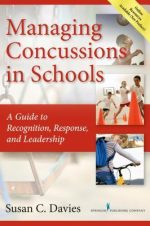
A pediatric concussion is not just a sports injury; it is a complex, invisible neuro-metabolic crisis that profoundly disrupts a child’s ability to learn, socialize, and develop. When a concussed student returns to the classroom too soon, cognitive exertion can severely exacerbate symptoms and prolong recovery. Managing Concussions in Schools: A Guide to Recognition, Response, and Leadership is the definitive, fiercely practical manual designed to bridge the gap between medical diagnosis and educational reality. This volume provides the exact blueprints required to build robust, school-wide protocols for concussion management.
Mastering the Complexities of Pediatric Traumatic Brain Injury
The core philosophy of this text is that concussion management is a multi-disciplinary imperative, not just a medical problem. The authors aggressively deconstruct the pathophysiology of a mild traumatic brain injury (mTBI), explaining how the resulting “energy crisis” in the brain manifests as cognitive fatigue, light sensitivity, and emotional lability, making standard academic demands physically painful for the student.
Navigating Acute Recognition, Sideline Assessment, and the Return-to-Learn Protocol
The book provides a masterclass in the crucial transition from injury to recovery. It dictates the exact clinical pathways for immediate sideline recognition and the removal from play. More importantly, it provides exhaustive, step-by-step instructions on implementing a graduated “Return-to-Learn” (RTL) protocol—dictating specific academic accommodations (reduced screen time, delayed testing, shortened days) that must precede the traditional “Return-to-Play” (RTP) progression.
Managing the Intersection of Athletics, Academics, and Cognitive Recovery
This is a fiercely practical guide to systemic intervention. The authors provide rigid frameworks for managing the conflicting pressures from coaches, parents, and teachers. The text dictates exactly how to form a Concussion Management Team (CMT) within the school, ensuring that medical recommendations are seamlessly translated into legally sound educational accommodations (504 plans or IEPs) when symptoms persist.
Integrating School Policy with Medical Management
The final value of this reference is its focus on institutional leadership. The text provides the exact templates for drafting comprehensive, district-wide concussion policies that comply with state laws. It dictates how to execute effective education programs for staff, students, and parents, transforming the school culture from one that “tough it out” to one that protects the developing brain.
Frequently Asked Questions (FAQs)
Does this book address protracted recovery and Post-Concussion Syndrome (PCS)?
Yes, it features critical sections on identifying students who are failing to recover within the expected timeframe, detailing the specialized, long-term academic supports and psychological interventions required.
Are there specific guidelines for non-sports-related concussions?
Absolutely. It emphasizes that concussions sustained in recess, car accidents, or falls require the exact same rigorous Return-to-Learn protocols as those sustained on the football field.
Who is the primary audience?
It is the absolute, mandatory playbook for School Nurses, Athletic Trainers, School Psychologists, Principals, and Pediatricians coordinating care with schools.
Conclusion
Managing Concussions in Schools proves that recovering from a brain injury requires more than rest; it demands an uncompromising commitment to academic accommodation, multi-disciplinary communication, and clear institutional policy. It is the indispensable bedrock of pediatric neuro-protection in the educational setting. By mastering the Return-to-Learn protocols and leadership strategies detailed in this vital guide, professionals ensure that a temporary injury does not cause permanent academic derailment.