

The Scientific Bedrock: Principles of Bone and Joint Research
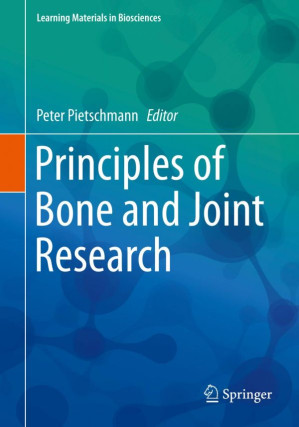
Before a new osteoporosis drug can be prescribed or a new biological implant can be used in a human, it must survive years of brutal, highly regulated scientific scrutiny. The methodology used to test these interventions must be absolutely flawless, or the resulting data is useless. Principles of Bone and Joint Research is a fiercely rigorous, highly structured manual detailing the exact architecture of musculoskeletal science. This volume provides the blueprints required to design, execute, and analyze statistically bulletproof orthopedic research.
Mastering Study Design and Biostatistics
The core philosophy of this text is the elimination of bias. The authors aggressively detail the hierarchy of evidence, from in-vitro cellular studies to the gold standard: the prospective, double-blind, randomized controlled trial (RCT). It dictates exactly how to perform a power analysis to ensure a study has enough patients to be statistically significant, and how to utilize complex regression models to control for confounding variables.
Navigating Translational Models
The book provides a masterclass in the translational pipeline. It dictates the exact pathways for progressing an idea from the lab bench to the clinic. It rigorously details the ethical and biological considerations of using animal models (e.g., the murine model for osteoporosis, the ovine model for massive bone defects) to test new surgical techniques before human trials begin.
Frequently Asked Questions (FAQs)
Will this book help me perform a better surgery?
Indirectly. It will teach you how to critically read the medical literature so you can decide if a new surgical technique is actually supported by real data or just marketing hype.
Who is the primary audience?
It is the absolute, mandatory guide for Academic Orthopedic Surgeons, Research Fellows, Basic Scientists, and Residents writing their research dissertations.