
Silencing the Disease: RNA Interference
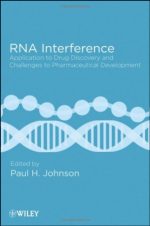
For the entire history of pharmacology, drugs have worked by attacking the proteins that cause disease. However, there are hundreds of devastating diseases (like Huntington’s or severe cancers) caused by mutant proteins that are completely “undruggable”—their physical shape makes it impossible for a traditional chemical drug to bind to them. RNA Interference: Application to Drug Discovery and Challenges to Pharmaceutical Development is a highly advanced textbook exploring the Nobel-Prize winning technology that bypasses the protein entirely. For molecular biologists, genetic engineers, and biotech executives, this volume details the revolutionary ability to intercept the genetic blueprint and permanently silence the disease before the mutant protein is ever created.
The Nobel-Prize Winning Science of Gene Silencing
The opening chapters provide a rigorous deconstruction of the central dogma of biology (DNA makes RNA makes Protein). The authors detail the explosive discovery of RNA interference (RNAi). They explain how scientists can synthesize a microscopic piece of “small interfering RNA” (siRNA) that perfectly matches the mutant mRNA causing a disease. When this synthetic siRNA is injected into a cell, it triggers the cell’s own internal defense system (the RISC complex) to aggressively hunt down and destroy the mutant mRNA, completely halting the production of the disease-causing protein.
Targeting “Undruggable” Disease Pathways
The core of the textbook provides a masterclass in targeted genetic therapy. The authors explore the massive potential of siRNA to cure diseases that traditional pharmacology cannot touch. Readers will learn how RNAi is being utilized to silence the production of the toxic huntingtin protein in Huntington’s Disease, and how it is being aggressively researched in oncology to permanently turn off the hyperactive oncogenes driving aggressive tumor growth.
The Massive Challenge of Delivery (Lipid Nanoparticles)
This is a fiercely practical pharmaceutical textbook. The authors explicitly state the massive problem with RNAi: naked siRNA is incredibly fragile and will be instantly destroyed by enzymes in the human bloodstream. The book heavily details the complex bioengineering required to solve this. It explores the revolutionary development of Lipid Nanoparticles (LNPs)—microscopic spheres of fat designed to encapsulate the fragile siRNA, protect it in the blood, and safely deliver it across the cellular membrane directly into the cytoplasm.
Navigating Off-Target Effects and Immunotoxicity
The human immune system is designed to attack foreign RNA (because viruses use RNA). The text provides exhaustive analysis of the severe immunotoxicity associated with early RNAi drugs. It details the complex chemical modifications (like 2′-O-methylation) that scientists must make to the synthetic siRNA to hide it from the immune system, preventing the patient’s body from triggering a massive, lethal cytokine storm.
The Future of Pharmaceutical Development
The final chapters explore the massive regulatory and manufacturing challenges of bringing an RNAi drug to market. The authors analyze the intense FDA scrutiny placed on these novel genetic therapies, detailing the rigorous preclinical toxicology testing required to prove that the drug is only silencing the disease gene, and not accidentally shutting down critical, healthy genes in the process.
Frequently Asked Questions (FAQs)
Is RNAi the same as CRISPR gene editing?
No, and the book clearly delineates the difference. CRISPR permanently alters the core DNA in the nucleus. RNAi does not touch the DNA; it intercepts and destroys the temporary mRNA messenger, making it a highly targeted, but non-permanent, therapy.
Does it cover the recent FDA approvals in this space?
Yes, it heavily references the massive breakthroughs of companies like Alnylam Pharmaceuticals, which successfully brought the first RNAi drugs (like patisiran for ATTR amyloidosis) to the global market.
Who is the primary audience?
It is essential reading for Ph.D. molecular biologists, industrial formulation scientists (specifically LNP engineers), and executives in the genetic therapy sector.
Conclusion
RNA Interference is the ultimate guide to the next frontier of medicine. It proves that if we cannot block the toxic protein, we must destroy the genetic blueprint that creates it. By mastering the advanced molecular biology, complex nanoparticle delivery systems, and rigorous toxicity protocols detailed in this volume, scientists can successfully harness the power of gene silencing, bringing revolutionary cures to patients suffering from previously untreatable genetic diseases.