
The Microscopic Arsenal: Pharmaceutical Nanotechnology
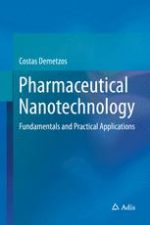
The fundamental problem with modern chemotherapy is collateral damage. To shrink a tumor in a patient’s lung, a physician must flood their entire bloodstream with highly toxic chemicals, destroying their hair follicles, their immune system, and their gastrointestinal tract in the process. Pharmaceutical Nanotechnology: Fundamentals and Practical Applications is a deeply advanced, highly technical textbook exploring the engineering required to eliminate this collateral damage. For formulation scientists, bioengineers, and oncology researchers, this volume provides the critical blueprints for designing microscopic, “smart” delivery vehicles capable of hunting down cancer cells and delivering a lethal payload with absolute, atomic precision.
Engineering the Next Generation of Drug Delivery
The opening chapters of this book establish the mind-bending reality of the nanoscale. The authors rigorously explain how manipulating matter at a scale of 1 to 100 nanometers fundamentally alters its physical properties. They detail how scientists can take a massive, insoluble chunk of a drug and break it down into nanocrystals, radically increasing its surface area and allowing it to instantly dissolve in the human bloodstream, saving drugs that would otherwise be discarded as “undeliverable.”
The Physics of Nanomaterials
The core of the textbook provides a masterclass in advanced nanoparticle architecture. The authors exhaustively detail the synthesis and application of the most cutting-edge nanomaterials in medicine. Readers will explore the physics of Quantum Dots (highly fluorescent nanoscale semiconductors used to brightly illuminate hidden tumors during surgery), and the complex chemistry of Polymeric Micelles and Dendrimers (massive, highly branched polymer structures designed to safely carry highly toxic drugs through the body).
Targeted Oncology and “Smart” Drug Release
This book explores the absolute frontier of “smart” medicine. The text details how nanoparticles are brilliantly engineered for active targeting. The authors explain how scientists attach specific antibodies to the outside of a nanoparticle, allowing the microscopic vehicle to ignore healthy cells and physically lock onto the unique receptors of a cancer cell. Furthermore, it details “stimuli-responsive” nanoparticles—vehicles engineered to remain perfectly sealed in the blood, but designed to instantly burst open and release their toxic drug only when they sense the highly acidic environment inside a tumor.
Overcoming the Blood-Brain Barrier for Neurological Disease
The blood-brain barrier is the greatest obstacle in neuropharmacology, blocking 98% of all drugs from entering the brain. The text explores how pharmaceutical nanotechnology is actively defeating this barrier. It details the precise engineering required to coat nanoparticles in specific proteins (like transferrin) that trick the brain’s defense system into actively pulling the nanoparticle across the barrier, allowing scientists to finally deliver powerful drugs directly to brain tumors (Glioblastoma) or Alzheimer’s plaques.
Navigating Nanotoxicology and Regulatory Approval
The final chapters address the massive safety concerns of the FDA. The authors provide a rigorous analysis of nanotoxicology. They explain that because nanoparticles are so small, they can bypass the body’s natural defenses, embedding deep in the lungs or accumulating in the liver. The book details the strict clearance mechanisms required to ensure the nanoparticles are safely excreted by the kidneys after they have delivered their drug.
Frequently Asked Questions (FAQs)
Does this book cover Lipid Nanoparticles (LNPs)?
Yes, it provides extensive coverage of liposomes and LNPs, detailing their massive global success as the critical delivery vehicle for mRNA vaccines.
Is a strong background in physics required?
Absolutely. This is a highly interdisciplinary text requiring a profound understanding of fluid dynamics, polymer chemistry, and cellular biology.
Who is the primary audience?
It is the absolute gold-standard reference for Ph.D. bioengineers, industrial formulation scientists, and academic researchers pushing the boundaries of targeted drug delivery.
Conclusion
Pharmaceutical Nanotechnology is the ultimate blueprint for the future of targeted medicine. It proves that the era of “carpet-bombing” the human body with toxic chemotherapy is coming to an end. By mastering the advanced polymer chemistry and intelligent targeting strategies detailed in this massive volume, scientists can engineer the flawless, microscopic vehicles required to eradicate disease with absolute precision, maximizing the cure while fiercely protecting the patient.