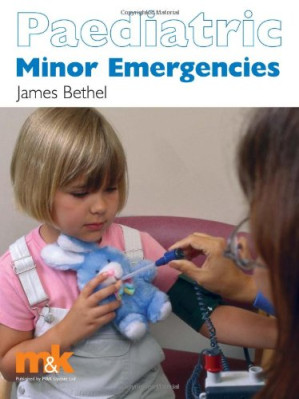



Rapid Response: Paediatric Minor Emergencies
The emergency department is characterized by organized chaos, and the pediatric population adds a layer of extreme urgency and parental anxiety. While major traumas capture the headlines, the vast majority of pediatric ED presentations are “minor” emergencies—lacerations, foreign bodies, simple fractures, and acute minor illnesses. However, these “minor” issues require expert, efficient management to prevent long-term morbidity and psychological trauma. Paediatric Minor Emergencies is the definitive, fiercely practical manual designed for the frontline clinician. This volume provides the exact, high-yield protocols required to assess, treat, and safely discharge the acutely injured or unwell child.
Mastering Frontline Care for Childhood Injuries
The core philosophy of this text is decisive action. The authors aggressively distill emergency management into clear, step-by-step algorithms. They dictate exactly how to evaluate a pediatric head injury using validated decision rules (e.g., PECARN), preventing unnecessary CT scans while ensuring no intracranial bleeds are missed. They provide rigid criteria for ruling out serious pathology in the child presenting with acute abdominal pain or a sudden limp.
Navigating Lacerations, Foreign Bodies, and Minor Burns
The book provides a masterclass in urgent procedural skills. It dictates the exact techniques for pediatric wound care, detailing the optimal use of tissue adhesives (glue) versus sutures based on wound location and tension. It provides exhaustive, illustrated guides for removing foreign bodies from the ear, nose, and airway, and outlines the precise, evidence-based protocols for managing and dressing minor thermal burns.
Managing Procedural Sedation and Pain Relief in the ED
This is a fiercely compassionate approach to pediatric trauma. The authors recognize that minimizing pain and fear is paramount. The text dictates exactly how to utilize topical anesthetics, intranasal fentanyl, and nitrous oxide. It provides strict, uncompromising protocols for safely administering pediatric procedural sedation (e.g., using ketamine) for painful interventions like fracture reduction or complex suturing.
Integrating Efficient Triage with Compassionate Care
The final value of this reference is its focus on workflow and communication. The text dictates how to rapidly triage pediatric patients, ensuring that seemingly “minor” complaints that mask serious illness (e.g., early sepsis) are identified immediately. It provides explicit strategies for communicating effectively with distressed parents, offering clear discharge instructions and “safety netting” advice.
Frequently Asked Questions (FAQs)
Does this book address pediatric dental emergencies?
Yes, it features critical sections on managing avulsed (knocked-out) teeth, dental fractures, and oral lacerations, dictating the immediate steps required to save permanent dentition.
Are there specific guidelines for recognizing non-accidental injury?
Absolutely. It provides explicit protocols for identifying the “red flag” injury patterns—such as cigarette burns, specific fracture types, or inconsistent histories—that mandate an immediate child protection referral.
Who is the primary audience?
It is the absolute, mandatory quick-reference for Emergency Medicine Physicians, Pediatric Emergency Nurses, General Practitioners, and Urgent Care Staff.
Conclusion
Paediatric Minor Emergencies proves that excellence in emergency medicine requires mastering the common as well as the catastrophic. It is the indispensable bedrock of efficient ED practice. By mastering the procedural techniques, the pain management protocols, and the diagnostic algorithms detailed in this vital volume, frontline clinicians can provide rapid, expert, and compassionate care to every child who comes through the doors.