

The Brain’s Master Inhibitor: The GABAB Receptor
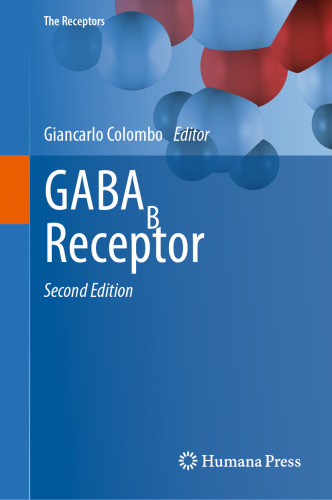
To maintain sanity and prevent fatal seizures, the human brain requires a massive, constant influx of inhibitory signals to counteract excitatory electrical activity. The primary chemical responsible for this inhibition is Gamma-Aminobutyric Acid (GABA). While much attention has been paid to the fast-acting GABAA receptor, GABAB Receptor (The Receptors) serves as the definitive, exhaustive scientific text exploring its slower, yet profoundly powerful, G-protein coupled counterpart. For neuropharmacologists, structural biologists, and medicinal chemists, this highly advanced volume provides the ultimate deep-dive into the receptor that controls spasticity, pain, and potentially, addiction.
Unlocking the Secrets of Neuroinhibition
The GABAB receptor operates completely differently than its ion-channel sibling. The opening chapters of this book provide a rigorous structural and biochemical analysis of how this receptor functions as an obligate heterodimer—meaning it requires two distinct protein subunits (GABAB1 and GABAB2) perfectly locked together to function. Readers will explore the complex intracellular signal transduction cascades triggered by this receptor, specifically how it inhibits adenylate cyclase and directly modulates calcium and potassium channels to profoundly hyperpolarize the neuron and silence electrical firing.
Baclofen and Beyond: Pharmacological Interventions
For decades, the clinical application of GABAB research began and ended with one drug: Baclofen. This textbook extensively details the pharmacodynamics of Baclofen, exploring its vital role as a muscle relaxant utilized to treat severe spasticity resulting from multiple sclerosis or spinal cord injuries. However, the book rapidly pivots to the future, detailing the cutting-edge search for new, highly specific GABAB agonists that can bypass the severe sedating side effects traditionally associated with Baclofen.
Role in Spasticity, Epilepsy, and Addiction
The therapeutic potential of modulating the GABAB receptor is massive. The authors provide comprehensive reviews of the preclinical and clinical data linking GABAB dysfunction to severe neurological and psychiatric disorders. The text explores the promising, yet complex, role of GABAB agonists in treating intractable epilepsy and chronic neuropathic pain. Most intriguingly, it dedicates significant space to the emerging research demonstrating that activating GABAB receptors can powerfully suppress the mesolimbic dopamine reward pathway, offering a highly viable therapeutic target for treating severe cocaine and alcohol addiction.
Novel Allosteric Modulators
The most exciting frontier in GABAB research is the development of Positive Allosteric Modulators (PAMs). Rather than directly agonizing the receptor (which causes rapid tolerance and sedation), PAMs bind to a secondary site, subtly amplifying the brain’s natural, endogenous GABA signals only when and where they are needed. The book details the complex medicinal chemistry and structural biology required to design these “smart” molecules, which represent the future of targeted neuroinhibition.
Frequently Asked Questions (FAQs)
Does this book cover the GABAA receptor?
While it briefly contrasts the two, this volume is strictly dedicated to the unique biochemistry, structure, and pharmacology of the G-protein coupled GABAB heterodimer.
Is it suitable for clinical neurologists?
While heavily focused on molecular biology and medicinal chemistry, neurologists specializing in movement disorders or addiction psychiatry will find the clinical translation chapters highly valuable.
Are in vivo animal models discussed?
Yes, the book heavily references the specific transgenic knockout mice (e.g., GABAB1 -/- mice) used to definitively prove the physiological role of these receptors in the mammalian brain.
Conclusion
GABAB Receptor (The Receptors) is an unparalleled scientific achievement. It consolidates decades of fragmented neuropharmacological research into a single, cohesive, and highly advanced text. By mastering the intricate biology and chemistry detailed in this volume, researchers are equipped to design the next generation of highly targeted, non-sedating neurotherapeutics capable of treating some of the most stubborn and devastating neurological diseases.