
Regulating the Biological Clock: Melatonin and Melatonergic Drugs
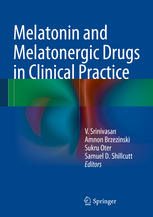
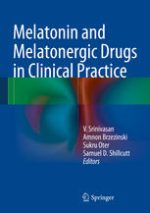
For years, melatonin was dismissed by the mainstream medical community as a simple, over-the-counter dietary supplement utilized for jet lag. Today, it is recognized as a profound, pleiotropic hormone that dictates the fundamental circadian rhythms of the human body and exerts powerful effects on the immune and neurological systems. Melatonin and Melatonergic Drugs in Clinical Practice is a highly rigorous, evidence-based medical textbook that elevates melatonin from a health-food store supplement to a potent, targeted pharmaceutical agent. For psychiatrists, neurologists, and sleep medicine specialists, this volume is the definitive guide to harnessing the power of the body’s master biological clock.
Beyond a Simple Sleep Aid
The opening chapters of the book obliterate the simplistic notion that melatonin is merely a “sleeping pill.” The authors provide a masterclass in the neuroendocrinology of the pineal gland. Readers will explore the exact biochemical pathway that converts serotonin into melatonin in the dark, and how the suprachiasmatic nucleus (SCN)—the brain’s central pacemaker—utilizes this hormone to synchronize the physiological rhythms of every single organ system in the body, from core body temperature to cortisol secretion.
Clinical Applications in Insomnia and Jet Lag
The text provides a brutal, evidence-based assessment of melatonin’s efficacy in treating sleep disorders. It cuts through the marketing hype, detailing exactly which specific types of insomnia respond to melatonin (e.g., Delayed Sleep-Wake Phase Disorder) and which do not. Furthermore, it provides the precise, highly specific dosing protocols (often much lower than commercially available doses) and strict timing guidelines required to effectively shift a patient’s circadian rhythm to treat severe jet lag or shift-work sleep disorder.
Melatonin Receptors: MT1 and MT2
The true pharmaceutical power of this science lies in the specific receptors. The book deeply analyzes the distinct roles of the MT1 receptor (which promotes sleep onset by inhibiting SCN firing) and the MT2 receptor (which shifts the timing of the circadian clock). This structural understanding sets the stage for the book’s exploration of synthetic melatonergic drugs—such as Ramelteon and Agomelatine. These highly targeted pharmaceutical agents boast massively increased half-lives and incredibly high receptor affinity compared to endogenous melatonin.
Emerging Roles in Oncology and Neuroprotection
The most fascinating sections of the textbook explore melatonin’s powerful secondary properties. The authors rigorously review the clinical data demonstrating melatonin’s role as a potent, lipophilic antioxidant capable of crossing the blood-brain barrier. The book details cutting-edge research utilizing high-dose melatonin as a neuroprotective agent in Alzheimer’s and Parkinson’s disease, as well as its emerging role as a synergistic adjuvant therapy in oncology, where it has been shown to protect healthy cells from the catastrophic toxicity of chemotherapy while simultaneously inhibiting tumor growth.
Frequently Asked Questions (FAQs)
Does the book cover Agomelatine?
Yes, it provides an extensive review of Agomelatine, a unique antidepressant that simultaneously agonizes melatonin receptors while antagonizing specific serotonin receptors, offering a novel approach to treating Major Depressive Disorder.
Is the safety profile of high-dose melatonin discussed?
Absolutely. The text provides a rigorous toxicological review, assuring clinicians of the remarkably high safety margin of melatonin, even when utilized at massive pharmacological doses for neuroprotection.
Is this a guide for formulating supplements?
No, it is a clinical medical textbook designed for physicians and pharmacists seeking evidence-based protocols for prescribing melatonergic agents to treat specific, diagnosed pathologies.
Conclusion
Melatonin and Melatonergic Drugs in Clinical Practice fundamentally changes how clinicians view the neuroendocrine system. It proves that restoring a patient’s circadian rhythm is not a luxury; it is a physiological necessity for treating severe psychiatric and neurological disease. By mastering the rigorous endocrinology and pharmacology detailed in this book, healthcare providers can offer their patients highly effective, incredibly safe therapies that work in perfect harmony with the body’s natural biological clock.