The Geopolitics of Healing: Making Medicines in Africa
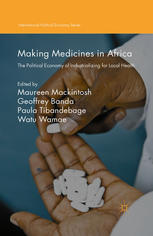
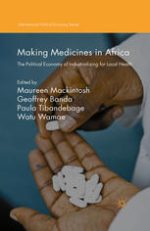
The ability to manufacture pharmaceutical drugs is not just a scientific achievement; it is a profound declaration of national sovereignty. For decades, the African continent has been held hostage by a devastating reliance on imported medications from the West and Asia, leaving millions vulnerable to supply chain collapses, counterfeit drugs, and artificially inflated prices. Making Medicines in Africa: The Political Economy of Industrializing for Local Health is a groundbreaking, fiercely analytical textbook exploring the massive geopolitical shift toward local pharmaceutical independence. For global health policymakers, development economists, and pharmaceutical executives, this volume provides the critical blueprints for building a self-sustaining, high-quality medical infrastructure in the Global South.
The Crisis of Pharmaceutical Dependency
The opening chapters of this book expose the brutal reality of pharmaceutical colonialism. The authors detail the catastrophic consequences of relying on foreign imports during health crises (specifically highlighting the early days of the HIV/AIDS epidemic). The text rigorously argues that true health equity can never be achieved through international charity or donated drug programs; it can only be achieved when African nations own the factories, the intellectual property, and the supply chains.
The Economics of Local Drug Manufacturing
The core of the textbook provides a masterclass in industrial economics. It strips away the romanticism of “local production” and deals with the harsh financial realities. The authors analyze the massive capital expenditures required to build sterile, Good Manufacturing Practice (GMP) certified facilities. They explore the complex economics of Active Pharmaceutical Ingredients (APIs), explaining that until Africa can manufacture the raw chemicals, assembling the final pills locally will not significantly reduce the overall cost of the drugs.
Navigating Intellectual Property and TRIPS Agreements
You cannot manufacture modern medicine without navigating the world’s most aggressive legal minefield: patent law. The book provides an exhaustive analysis of the WTO’s TRIPS (Trade-Related Aspects of Intellectual Property Rights) agreement. It teaches policymakers how to legally utilize TRIPS “flexibilities”—specifically compulsory licensing—to legally bypass Western patents and immediately manufacture low-cost generic versions of life-saving oncology and HIV medications during a national health emergency.
Building Regulatory Infrastructure and Quality Control
A factory is useless if the drugs it produces are substandard. The text heavily emphasizes the absolute necessity of building powerful, independent National Regulatory Authorities (NRAs). The authors explain that without strict government oversight, local markets become flooded with dangerous, counterfeit medications that kill patients and destroy public trust in locally manufactured brands.
Case Studies of Success: South Africa and Kenya
The final chapters move from theory to reality. The authors provide deep, highly detailed case studies of the nations leading the charge. They analyze the massive success of the South African pharmaceutical industry in scaling up antiretroviral (ARV) production, and explore Kenya’s aggressive strategies to become the primary pharmaceutical export hub for the entire East African community.
Frequently Asked Questions (FAQs)
Does this book cover traditional African herbal medicine?
While it acknowledges the cultural importance of traditional medicine, this book is strictly focused on the industrial-scale manufacturing of modern, allopathic pharmaceuticals (generics and biologics).
Is it highly political?
Yes, it is fundamentally a book about “Political Economy.” It rigorously analyzes how global trade agreements, foreign aid policies, and domestic politics directly dictate whether a pharmaceutical factory survives or goes bankrupt.
Who is the primary audience?
It is essential reading for Ph.D. health economists, officials at the World Health Organization (WHO), and government health ministers across the African continent.
Conclusion
Making Medicines in Africa proves that true medical freedom requires industrial strength. It is a powerful manifesto for self-reliance. By mastering the complex economic strategies, legal frameworks, and regulatory protocols detailed in this volume, African nations can finally break the chains of pharmaceutical dependency, building a robust, local manufacturing sector capable of guaranteeing high-quality, life-saving medicines for every citizen on the continent.