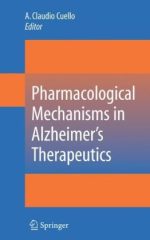
The Fight for the Mind: Pharmacological Mechanisms in Alzheimer’s Therapeutics
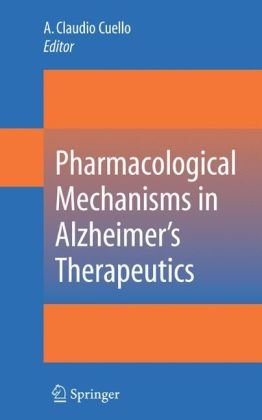
Alzheimer’s Disease is the most terrifying diagnosis in modern medicine. It is not merely the failure of an organ; it is the slow, relentless erasure of a human identity. Despite billions of dollars in research, a definitive cure remains elusive. However, the pharmaceutical weapons we currently possess can significantly alter the trajectory of the disease, buying the patient critical time and preserving their dignity. Pharmacological Mechanisms in Alzheimer’s Therapeutics is a highly advanced, fiercely clinical textbook exploring the exact molecular strategies used to fight back. For neurologists, geriatric psychiatrists, and advanced practice nurses, this volume provides the critical blueprints for maximizing cognitive function in the face of absolute neurodegeneration.
Decoding the Pathophysiology of Neurodegeneration
Before you can fight the disease, you must understand the battlefield. The opening chapters provide a rigorous deconstruction of the Alzheimer’s brain. The authors detail the dual pathology of the disease: the massive extracellular buildup of toxic Amyloid-beta plaques, and the internal collapse of neurons caused by hyperphosphorylated Tau protein tangles. The text explains how this physical destruction specifically targets the cholinergic pathways—the exact wiring the brain uses to form new memories.
Cholinesterase Inhibitors: Maximizing Remaining Function
The core of the textbook provides a masterclass on the frontline defense: Cholinesterase Inhibitors (Donepezil, Rivastigmine, Galantamine). The authors explain the exact mechanism of action. These drugs do not stop the brain from dying; instead, they block the enzyme that destroys acetylcholine. By forcing the remaining, surviving neurons to pump out massive amounts of this memory neurotransmitter, the clinician can artificially boost the patient’s cognitive function, allowing them to recognize their family members for a few more vital years.
NMDA Receptor Antagonists: Halting Excitotoxicity
As the disease progresses into the moderate-to-severe stages, a new pathology emerges: excitotoxicity. The dying brain is flooded with glutamate, constantly overstimulating the NMDA receptors and literally shocking healthy neurons to death. The book details the advanced pharmacology of Memantine, a drug brilliantly designed to sit inside the NMDA receptor and block this toxic background noise, protecting the remaining brain cells while still allowing normal electrical signals to pass through.
The Frontier of Amyloid and Tau Targeted Biologics
This textbook explores the absolute cutting edge of neuropharmacology. It details the massive, high-stakes clinical trials involving Monoclonal Antibodies (biologic drugs ending in “-mab”). The authors rigorously analyze the complex science of designing antibodies that can cross the blood-brain barrier, bind directly to the toxic amyloid plaques, and signal the brain’s immune system to clear the garbage out, representing the first true attempt at a “disease-modifying” cure.
Managing the Behavioral and Psychological Symptoms of Dementia
The final chapters address the most difficult clinical reality for families and caregivers: BPSD. The authors provide strict, evidence-based protocols for managing the severe aggression, paranoia, and wandering associated with advanced dementia. The text heavily emphasizes the massive dangers of using typical antipsychotics (which carry a “Black Box” warning for sudden cardiac death in the elderly), providing alternative, safer pharmacological strategies to keep the patient calm and secure.
Frequently Asked Questions (FAQs)
Does this book cover dietary interventions like Coconut Oil?
No. This is a rigorous, peer-reviewed medical textbook focusing exclusively on FDA-approved pharmaceuticals and advanced clinical trial biologics, not unproven dietary supplements.
Is it useful for primary care physicians?
Absolutely. Because of the massive shortage of neurologists, primary care doctors are forced to manage the vast majority of Alzheimer’s cases, making this level of pharmacological understanding absolutely vital.
Who is the primary audience?
It is the ultimate reference for clinical neurologists, geriatric specialists, and clinical pharmacists managing massive long-term care facilities.
Conclusion
Pharmacological Mechanisms in Alzheimer’s Therapeutics is a crucial weapon in a desperate war. It proves that while we cannot yet stop the disease, we refuse to surrender to it. By mastering the advanced receptor pharmacology and rigorous clinical protocols detailed in this volume, healthcare providers can fiercely protect the failing mind, maximizing the patient’s quality of life and preserving their connection to the world for as long as scientifically possible.