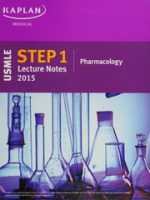
Mastering the High-Yield: Pharmacology: USMLE Step 1
The USMLE Step 1 exam is widely considered the most difficult, high-stakes medical examination in the world. It does not test a medical student’s ability to memorize a list of drugs; it tests their ability to instantly recognize a complex clinical scenario, identify the underlying pathophysiology, and select the exact pharmacological mechanism required to intervene. Pharmacology: USMLE Step 1 is not a textbook; it is a hyper-focused, uncompromising survival guide designed to maximize board scores. For second-year medical students facing the most critical exam of their careers, this volume strips away the unnecessary fluff and delivers the absolute highest-yield pharmacological data required to dominate the boards.
Decoding the Board Exam’s Focus
The authors of this guide understand exactly how the National Board of Medical Examiners (NBME) writes questions. The opening chapters immediately dispense with esoteric, rarely used drugs. Instead, they focus entirely on the “classic” board presentations. The text teaches students to instantly recognize the “buzzwords”—if the question mentions a patient with a “butterfly rash” who just started a new heart rhythm medication, the student must instantly know the drug is Procainamide and the diagnosis is Drug-Induced Lupus.
Essential Pharmacokinetics and Pharmacodynamics Equations
Step 1 will test your math. The book provides a rigorous, highly condensed review of the essential equations that frequently appear on the exam. It provides rapid-fire strategies for calculating Volume of Distribution (Vd), Clearance, Half-Life, and Maintenance Doses. More importantly, it provides visual graphs (like the Lineweaver-Burk plot) teaching students how to instantly differentiate between a competitive and non-competitive antagonist based solely on the shift of a curve.
High-Yield Autonomic Nervous System Drugs
The Autonomic Nervous System (ANS) is notoriously heavily tested. The guide provides a masterclass in this complex system. It completely organizes the massive list of cholinergic and adrenergic agonists and antagonists. It forces students to memorize the exact receptor locations (Alpha-1, Beta-2, Muscarinic), guaranteeing they can predict the systemic effects of a drug—such as knowing that a Beta-2 agonist will cause bronchodilation in the lungs but simultaneously trigger an intracellular shift of potassium.
Rapid Recognition of Severe Adverse Effects
Step 1 questions rarely ask what a drug does; they ask how it harms the patient. The core of this guide is its exhaustive compilation of high-yield side effects. It provides highly memorable mnemonics and rapid-reference tables linking specific drugs to their classic toxicities: Amiodarone (Pulmonary Fibrosis), Clozapine (Agranulocytosis), ACE Inhibitors (Dry Cough and Angioedema), and Aminoglycosides (Ototoxicity and Nephrotoxicity).
Clinical Scenarios and Mechanism of Action Questions
The final sections prepare the student for the ultimate Step 1 trick: the multi-step question. The guide trains students to read a clinical vignette, diagnose the disease (e.g., Myasthenia Gravis), identify the first-line treatment (Pyridostigmine), and then correctly answer the actual question, which asks for the molecular mechanism of action of that treatment (Acetylcholinesterase inhibition).
Frequently Asked Questions (FAQs)
Is this book sufficient to learn pharmacology from scratch?
Absolutely not. This is a review book. It is designed to be used during the intense “dedicated study period” to rapidly consolidate and organize knowledge the student has already acquired during their coursework.
Does it cover antimicrobial and oncology drugs?
Yes, it features highly condensed, incredibly vital sections on the mechanisms of antibiotics (e.g., 50S vs 30S ribosomal inhibitors) and the specific cell-cycle targets of classic chemotherapy agents.
Who is the primary audience?
Medical students (MD and DO) aggressively preparing for the USMLE Step 1 or COMLEX Level 1 board examinations.
Conclusion
Pharmacology: USMLE Step 1 is a highly calibrated weapon designed to conquer a massive academic hurdle. It proves that board preparation is not about reading everything; it is about knowing exactly what matters. By mastering the high-yield mechanisms, classic side effects, and rapid clinical associations detailed in this guide, medical students can walk into the testing center with the profound confidence required to crush the exam and secure their medical future.