Powering the Mind: Therapeutic Targeting of Neuronal Mitochondria
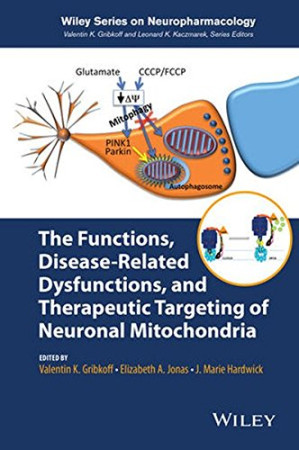
The human brain constitutes only 2% of total body weight, yet it consumes a staggering 20% of the body’s entire energy supply. This massive power demand is generated almost exclusively by mitochondria—the microscopic power plants residing inside every single neuron. When these power plants fail, the neurons slowly starve, wither, and die. The Functions, Disease-Related Dysfunctions, and Therapeutic Targeting of Neuronal Mitochondria is a deeply profound, highly advanced scientific textbook exploring the cellular physics of brain energy. For neuropharmacologists, cellular biologists, and researchers fighting neurodegenerative diseases, this volume provides the critical blueprints for repairing the broken energy grids that cause our most devastating neurological disorders.
The Unique Energy Demands of the Central Nervous System
The opening chapters rigorously deconstruct the extreme metabolic demands of a neuron. Unlike muscle cells, which can rely on anaerobic glycolysis during stress, a neuron relies almost entirely on mitochondria-driven Oxidative Phosphorylation to generate ATP. The authors detail how this relentless demand for oxygen makes neurons incredibly vulnerable. If the mitochondrial machinery stutters for even a few minutes, the neuron loses the energy required to maintain its electrical gradient, triggering immediate excitotoxic death.
Mitochondrial Dysfunction in Neurodegenerative Disease
The core of the textbook provides a masterclass in cellular pathology. It definitively links mitochondrial failure to the holy trinity of neurodegenerative disease: Alzheimer’s, Parkinson’s, and Huntington’s. Readers will explore exactly how mutant proteins (like Amyloid-beta or Alpha-synuclein) specifically target and physically destroy the mitochondrial membrane, halting energy production and triggering apoptosis (programmed cell death) long before the patient ever shows symptoms of memory loss or tremors.
Oxidative Stress and Reactive Oxygen Species (ROS)
Mitochondria are dangerous machines; they constantly leak toxic byproducts called Reactive Oxygen Species (ROS). The text details the complex biochemistry of oxidative stress. It explains how aging and environmental toxins cause the mitochondria to leak massive amounts of ROS, essentially “rusting” the brain from the inside out by destroying DNA and cellular lipids.
Mitochondria-Targeted Antioxidants and Peptides
This is not merely a book about disease; it is a book about cures. The authors explore the cutting-edge pharmacology of mitochondria-targeted therapeutics. Normal antioxidants (like Vitamin C) cannot penetrate the mitochondrial membrane. Readers will learn the advanced chemistry behind drugs like MitoQ or Szeto-Schiller (SS) peptides—molecules brilliantly engineered with a specific positive charge, forcing them to actively concentrate directly inside the mitochondria, neutralizing ROS at the exact site of production.
Gene Therapy for Primary Mitochondrial Disorders
The final chapters explore the frontier of genetic engineering. They discuss rare, devastating primary mitochondrial diseases (like MELAS or Leigh Syndrome) which are caused by mutations in the mitochondrial DNA (mtDNA). The book details highly experimental, advanced gene therapies designed to bypass or repair these mutated genomes.
Frequently Asked Questions (FAQs)
Is this a book about dietary supplements?
No, it is a hard-science, graduate-level textbook focused on molecular biology and advanced pharmacology, not over-the-counter dietary antioxidants.
Does it cover the role of mitochondria in psychiatric disorders?
Yes, it features emerging research linking subtle mitochondrial energy deficits to Bipolar Disorder and severe Schizophrenia.
Who is the primary audience?
It is essential reading for Ph.D. neuroscientists, industrial drug discovery researchers, and academic neurologists attempting to fundamentally alter the course of neurodegenerative disease.
Conclusion
Therapeutic Targeting of Neuronal Mitochondria proves that the cure for Alzheimer’s and Parkinson’s will not be found at the level of the whole brain, but at the level of the individual organelle. By mastering the advanced cellular biochemistry and targeted pharmacological strategies detailed in this volume, scientists can design the revolutionary therapies required to restart the brain’s failing engines and halt neurodegeneration in its tracks.