The Prescriber’s Arsenal: The Top 100 Drugs
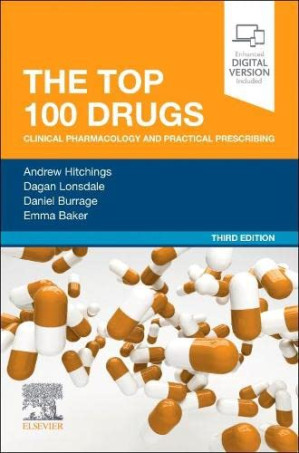
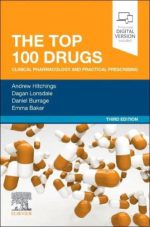
The transition from a classroom student to a prescribing clinician is a terrifying leap. You have memorized thousands of rare, obscure drugs for your exams, but on your first day in the clinic, you realize that 90% of your patients are taking the exact same 20 medications. The Top 100 Drugs: Clinical Pharmacology and Practical Prescribing is the definitive, highly optimized survival manual for the modern clinic. For junior doctors, nurse practitioners, and clinical pharmacists, this volume strips away the academic bloat and provides the absolute, uncompromising blueprints required to safely prescribe the most common medications in the world.
Focusing on the Absolute Core of Modern Medicine
The opening premise of this book is ruthless practicality. The authors establish that you do not need to be an expert in rare tropical disease pharmacology on your first day in a general hospital. You need to be an absolute, flawless expert on Metformin, Atorvastatin, Lisinopril, and Amoxicillin. By isolating the “Top 100” drugs, the book allows the clinician to completely master the medications they will actually write prescriptions for every single day.
Rapid Access to Clinical Indications and Dosing
The core of the manual provides a masterclass in clinical efficiency. Every entry is a highly structured, rapid-access monograph. It does not waste time on complex molecular physics. It provides the exact, approved clinical indications (what the drug is actually used for), the standard starting doses for adults and the elderly, and the precise titration schedules required to safely increase the dose without triggering a massive adverse reaction.
Critical Contraindications and Monitoring Parameters
This is a fiercely practical guide to patient safety. The book heavily emphasizes the critical “Do Not Prescribe” scenarios. The authors detail absolute contraindications, warning the clinician exactly when a common drug becomes a lethal poison (e.g., prescribing an ACE inhibitor to a patient with bilateral renal artery stenosis). Furthermore, it details exactly what blood tests (monitoring parameters) must be ordered before and after the drug is initiated.
Navigating the Most Common Drug Interactions
The book tackles the massive nightmare of polypharmacy. The authors provide rigorous, easily digestible breakdowns of the most common and dangerous drug-drug interactions associated with these Top 100 medications. It provides the clinician with the instantaneous knowledge required to recognize that combining a common macrolide antibiotic with a common statin can trigger massive, fatal muscle breakdown (rhabdomyolysis).
The Perfect Transition from Student to Practitioner
The final chapters address the reality of the prescription pad. The authors provide highly pragmatic advice on communicating with patients. They detail exactly what the patient must be told about the drug’s side effects, how long it will take to work, and what specific symptoms should prompt an immediate return to the emergency room, ensuring absolute informed consent and maximizing medication adherence.
Frequently Asked Questions (FAQs)
Are the doses in this book legally binding?
No textbook supersedes clinical judgment or local hospital protocols. Doses must always be verified against the patient’s specific renal/hepatic function and current institutional guidelines.
Does it cover IV medications used in the hospital?
Yes, it includes the most common intravenous antibiotics, painkillers, and emergency drugs utilized in standard hospital wards, not just outpatient retail prescriptions.
Who is the primary audience?
It is the mandatory pocket survival guide for Foundation Year doctors, Physician Assistants (PAs), Nurse Practitioners (NPs), and newly licensed pharmacists.
Conclusion
The Top 100 Drugs proves that brilliant prescribing is about mastering the fundamentals. It is an indispensable tool for the active clinical environment. By providing instant access to precise dosing, critical monitoring parameters, and dangerous drug interactions for the most common medications on Earth, professionals can confidently execute their clinical duties, ensuring absolute safety for the massive majority of their patients.