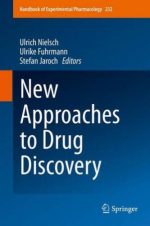
Rethinking the Cure: New Approaches to Drug Discovery
The traditional model of pharmaceutical drug discovery—spending ten years and two billion dollars to painstakingly design a single chemical that binds to a single protein—is collapsing under its own weight. The easy diseases have been cured, and the industry is desperately searching for a new playbook. New Approaches to Drug Discovery is a brilliant, forward-looking textbook exploring the massive paradigm shifts currently revolutionizing the pharmaceutical industry. For biotech pioneers, industrial researchers, and venture capitalists, this volume provides the critical blueprints for abandoning the old rules and discovering the next generation of blockbuster cures.
Breaking the Mold of Traditional Pharmacology
The opening chapters of this book deconstruct the failures of “Target-Based Discovery.” The authors explain the devastating reality of spending years designing a mathematically perfect drug to block a specific enzyme, only to discover in Phase II clinical trials that blocking that enzyme actually does nothing to stop the disease in a living human being. The text argues fiercely for new, more holistic biological approaches to bypass these massive, late-stage failures.
Phenotypic Screening vs. Target-Based Discovery
The core of the textbook explores the massive resurgence of Phenotypic Screening. Instead of obsessing over a single molecular target, scientists are returning to a modernized version of classical biology. The authors detail how researchers use high-throughput robotics to expose diseased cells to millions of different chemicals, simply looking for any chemical that makes the cell look healthy again. They don’t care how the drug works initially; they only care that it does work.
The Power of Fragment-Based Lead Discovery (FBLD)
This is a fiercely technical textbook. It dives deep into Fragment-Based Lead Discovery. Instead of screening massive, complex drug molecules, scientists use advanced X-ray crystallography and NMR spectroscopy to screen incredibly tiny “fragments” of chemicals. Once they find three different fragments that bind to different parts of a disease protein, they use advanced organic chemistry to link those fragments together, creating a perfectly tailored, highly potent super-drug.
Harnessing the Microbiome for Novel Therapeutics
The book explores the absolute frontier of modern medicine: the human microbiome. The authors detail how the pharmaceutical industry is no longer just targeting human cells; they are aggressively developing drugs designed to manipulate the trillions of bacteria living in the human gut. Readers will explore the development of “Live Biotherapeutic Products” (LBPs) designed to treat everything from severe inflammatory bowel disease to major depression.
Repurposing Existing Drugs for Rare Diseases
The final chapters address the economics of rare diseases. The authors detail the incredibly successful strategy of Drug Repurposing. They explain how scientists use advanced artificial intelligence to scan vast databases of already-approved FDA drugs, looking for hidden, off-target effects that could instantly provide a safe, fully tested cure for a completely different rare genetic disease.
Frequently Asked Questions (FAQs)
Does this book cover PROTACs (Proteolysis Targeting Chimeras)?
Yes, it features critical sections on targeted protein degradation, detailing how new drugs are being designed to act as microscopic garbage trucks, physically dragging disease-causing proteins into the cell’s disposal system.
Is a background in molecular biology required?
Absolutely. This is an advanced text requiring a deep understanding of cellular signaling, receptor pharmacology, and industrial chemistry.
Who is the primary audience?
It is the ultimate reference for Ph.D. scientists in biotech startups, Principal Investigators in Big Pharma, and academic researchers looking to commercialize their discoveries.
Conclusion
New Approaches to Drug Discovery is a powerful manifesto for scientific innovation. It proves that to cure the incurable, we must stop doing the same things we did in the 1990s. By mastering the advanced screening technologies and novel pharmacological strategies detailed in this volume, researchers can aggressively accelerate the development of life-saving medicines, permanently altering the landscape of human health.