

Mastering Seizure Control: Antiepileptic Drugs: A Clinician’s Manual
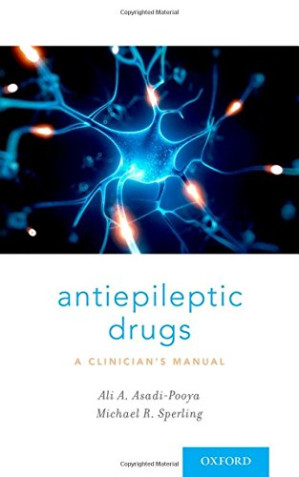
Epilepsy is a complex, terrifying, and highly variable neurological disorder. A medication that completely eliminates seizures in one patient may severely exacerbate them in another. Navigating the massive, often overwhelming arsenal of available seizure medications requires intense precision and deep pharmacological knowledge. Antiepileptic Drugs: A Clinician’s Manual (2nd edition) is the definitive, rapid-reference guide designed specifically for the front lines of neurological care. For neurologists, epileptologists, and critical care physicians, this manual provides the exact, actionable data required to confidently select, dose, and manage complex antiepileptic therapies.
The Complexity of Neurological Pharmacotherapy
The opening chapters of this manual cut straight to clinical application. It abandons theoretical biochemistry in favor of a highly structured, syndrome-based approach. The authors recognize that prescribing an Antiepileptic Drug (AED) is not a “one-size-fits-all” endeavor. The text provides rigorous, evidence-based algorithms guiding the clinician on exactly which drug to select based on the specific seizure type (e.g., focal aware, generalized tonic-clonic, absence seizures) and the specific epilepsy syndrome (e.g., Lennox-Gastaut, Juvenile Myoclonic Epilepsy).
Comprehensive Profiles of First and Second-Generation AEDs
The core of the manual is its exhaustive, deeply detailed profiles of every major AED on the market. It covers the classic, heavy-hitting first-generation drugs (like Phenytoin, Carbamazepine, and Valproic Acid) and rigorously compares them to the newer, highly targeted second and third-generation drugs (like Levetiracetam, Lamotrigine, and Lacosamide). Each profile provides instant access to vital clinical data, including precise starting doses, titration schedules, target serum concentrations, and critical black-box warnings.
Mechanisms of Action: Sodium Channels to GABA
While focused on clinical practice, a physician must understand how a drug alters the brain to use it safely. The manual provides clear, highly visual explanations of the distinct mechanisms of action for each drug class. It details how certain drugs act as “brakes” on the brain by enhancing inhibitory GABA pathways, while others act by physically blocking the rapid firing of excitatory voltage-gated sodium or calcium channels.
Tailoring Therapy to Specific Patient Populations
Treating a 25-year-old male with epilepsy is vastly different than treating a pregnant woman or a frail elderly patient. The text features vital, dedicated chapters on special populations. It provides extensive guidance on the severe teratogenic risks of specific AEDs (like Valproic Acid) in women of childbearing age, and offers complex, nuanced strategies for safely managing pregnant patients without triggering breakthrough seizures. Furthermore, it details the unique pharmacokinetic challenges (altered kidney/liver function) when dosing the elderly.
Managing Side Effects and Teratogenicity
AEDs are notorious for their severe neurological and systemic side effects. The manual provides a comprehensive troubleshooting guide. It teaches clinicians how to differentiate between a dose-dependent side effect (like lethargy or double vision) that requires a simple dose reduction, versus an idiosyncratic, life-threatening hypersensitivity reaction (like Stevens-Johnson Syndrome) that demands immediate drug cessation and emergency intervention.
Frequently Asked Questions (FAQs)
Does this manual cover Status Epilepticus?
Yes, it provides a highly structured, step-by-step emergency protocol for managing Status Epilepticus, detailing the precise IV dosing of benzodiazepines, fosphenytoin, and propofol required to halt a continuous, life-threatening seizure.
Is it useful for psychiatric applications?
Absolutely. Because many AEDs (like Lamotrigine and Valproate) are heavily utilized as mood stabilizers in Bipolar Disorder, psychiatrists frequently use this manual to manage dosing and severe side effects.
How current is the clinical data?
The 2nd edition features massive updates, incorporating the latest FDA approvals and the most current evidence-based guidelines from the American Academy of Neurology (AAN).
Conclusion
Antiepileptic Drugs: A Clinician’s Manual is a life-saving tool for the modern neurologist. It brings order and absolute clinical precision to the chaotic and dangerous world of seizure management. By keeping this exhaustive, brilliantly organized manual within arm’s reach, healthcare providers can confidently navigate complex polypharmacy, minimize devastating side effects, and ultimately grant their patients the profound freedom of a seizure-free life.