A Novel Therapeutic Frontier: Polyamine Drug Discovery
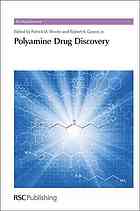
In the relentless war against cancer and severe infectious diseases, researchers are constantly searching for new, unexploited biological vulnerabilities. While most traditional drugs target well-known enzymes or cell surface receptors, a highly promising, yet incredibly complex new frontier has emerged: the polyamine metabolic pathway. Polyamine Drug Discovery is a specialized, cutting-edge textbook that comprehensively details the biology, chemistry, and clinical potential of targeting these ubiquitous cellular molecules. For medicinal chemists, oncologists, and parasitologists, this book provides the definitive roadmap to a completely novel class of powerful therapeutics.
Understanding Polyamine Metabolism
Polyamines (such as putrescine, spermidine, and spermine) are small, positively charged organic molecules that are absolutely essential for life. They interact with negatively charged DNA and RNA, playing a critical role in regulating gene expression, cellular proliferation, and differentiation. The opening chapters of this book provide a rigorous, highly detailed map of the polyamine biosynthetic and catabolic pathways. Readers will gain a profound understanding of the key regulatory enzymes involved, particularly Ornithine Decarboxylase (ODC)—the rate-limiting enzyme that acts as the primary gatekeeper of polyamine production.
Cellular Growth, Proliferation, and Cancer
Why are polyamines a target for drug discovery? Because rapid cellular growth requires massive amounts of them. The book heavily details the oncology applications of this science. Cancer cells, driven by oncogenes like MYC, upregulate polyamine biosynthesis to fuel their uncontrolled proliferation. The text explains the elegant logic of polyamine depletion therapy: if you can successfully block the production or cellular uptake of polyamines, you can selectively starve and halt the growth of rapidly dividing tumor cells.
Designing Polyamine Analogues and Inhibitors
The core of this textbook is a masterclass in medicinal chemistry. It details the rational design of specific enzyme inhibitors (like DFMO, an irreversible suicide inhibitor of ODC). Furthermore, it explores the brilliant strategy of designing polyamine analogues—synthetic molecules that look similar enough to natural polyamines to be greedily absorbed by a cancer cell, but are functionally useless, effectively poisoning the cancer cell’s metabolic machinery from the inside out.
Overcoming Resistance Mechanisms
Biology is resilient, and the book addresses the significant challenges of this therapeutic approach. When a drug blocks polyamine synthesis, the cancer cell often responds by drastically upregulating polyamine transport proteins, aggressively importing polyamines from the surrounding bloodstream or diet to survive. The authors discuss the cutting-edge development of dual-therapy strategies: simultaneously administering an enzyme inhibitor (to stop internal production) alongside a polyamine transport inhibitor (to block external scavenging), trapping the cancer cell in a fatal metabolic vise.
Applications Beyond Oncology
While cancer is a primary focus, the book explores the vital role of polyamines in infectious diseases. It provides detailed chapters on how targeting unique polyamine pathways in deadly parasites—such as the organisms responsible for Malaria, Leishmaniasis, and African Sleeping Sickness—offers a highly selective, powerful method for eradicating these pathogens without harming the human host.
Frequently Asked Questions (FAQs)
Is this book highly theoretical, or does it cover clinical trials?
It bridges the gap perfectly. While heavily focused on preclinical chemistry and cellular biology, it thoroughly reviews the outcomes of human clinical trials evaluating polyamine-targeted drugs in various cancers and neuroblastomas.
Does it cover the role of the microbiome?
Yes, it touches upon the complex interaction between host polyamine metabolism and the polyamines synthesized by the bacteria in the human gut, a rapidly expanding area of research.
Who is the target audience for this highly specialized text?
It is an essential, high-level reference for graduate students in medicinal chemistry, principal investigators running oncology labs, and pharmaceutical researchers searching for novel drug targets to overcome traditional chemotherapy resistance.
Conclusion
Polyamine Drug Discovery is a testament to the power of targeted molecular medicine. It proves that by deeply understanding the fundamental metabolic requirements of a diseased cell, we can design elegant, highly specific chemical weapons to destroy it. By mastering the complex biochemistry and advanced medicinal chemistry detailed in this volume, scientists can push the boundaries of pharmacology, bringing desperately needed, entirely new classes of therapeutics to the clinic.