Navigating the Opioid Crisis: Controlled Substance Management in Chronic Pain
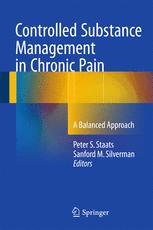
Managing chronic pain in the modern medical landscape is akin to walking a razor-thin tightrope over a legal and ethical abyss. On one side lies the moral imperative to relieve severe human suffering; on the other lies the catastrophic reality of the opioid epidemic, DEA audits, and fatal overdoses. Controlled Substance Management in Chronic Pain: A Balanced Approach is the definitive, uncompromising survival guide for navigating this treacherous clinical terrain. For pain management specialists, primary care physicians, and advanced practice nurses, this volume provides the rigorous, legally defensible protocols required to safely prescribe opioids without destroying the patient or the practice.
The Clinical Tightrope: Efficacy vs. Addiction
The opening chapters of this book aggressively tackle the brutal reality of the opioid crisis. The authors dispel the outdated myth that “patients in real pain cannot become addicted.” They provide a rigorous neurobiological deconstruction of opioid tolerance, hyperalgesia (where the opioids actually cause the pain to worsen), and the neuroadaptation that leads to profound physical dependence and severe substance use disorder, even in patients who genuinely intended to use the drugs correctly.
Risk Stratification and Urine Drug Screening (UDS) Protocols
You cannot blindly prescribe controlled substances. The core of the textbook provides a masterclass in objective risk assessment. It details the mandatory use of validated screening tools (like the Opioid Risk Tool – ORT) before the first prescription is ever written. Furthermore, it provides exhaustive guidance on the absolute necessity of random Urine Drug Screening (UDS), teaching clinicians exactly how to interpret a complex GC/MS lab report to determine if a patient is hoarding their medication, selling it, or secretly using illicit fentanyl.
Formulating a Safe Opioid Agreement (Pain Contracts)
The book details the critical legal and ethical framework of the “Pain Contract.” It provides exact, legally vetted language that clearly outlines the rules of the clinic: no early refills, no lost prescriptions, mandatory pill counts, and immediate termination of therapy if illicit drugs are detected. This establishes rigid boundaries that protect both the patient and the prescriber.
Utilizing Prescription Drug Monitoring Programs (PDMPs)
In the modern era, ignorance is not a legal defense. The authors detail the mandatory integration of state-run Prescription Drug Monitoring Programs (PDMPs) into daily workflow. Clinicians must understand how to check these databases to definitively prove a patient is not “doctor shopping” or receiving dangerous concurrent prescriptions for benzodiazepines (Xanax) from another clinic, a combination that drastically increases the risk of fatal respiratory depression.
Tapering Strategies and Buprenorphine Transitions
The final chapters address the most difficult task in pain management: getting a patient off a massive dose of opioids safely. The book provides strict, mathematically precise protocols for slow, agonizing opioid tapers. Crucially, it details the advanced, cutting-edge use of Buprenorphine (Suboxone/Belbuca) as a powerful tool to manage chronic pain while simultaneously breaking the cycle of opioid addiction and eliminating the risk of a fatal overdose.
Frequently Asked Questions (FAQs)
Does this book cover medical marijuana?
Yes, it provides an objective, evidence-based review of cannabinoids in chronic pain management, navigating the complex state vs. federal legal realities.
Is it relevant for surgeons prescribing post-operative pain meds?
Absolutely. It provides critical guidance on limiting acute post-surgical opioid prescriptions to prevent the transition from acute pain to chronic addiction.
Who is the primary audience?
It is essential reading for every Family Medicine physician, Internal Medicine doctor, and Nurse Practitioner who holds a DEA license to prescribe controlled substances.
Conclusion
Controlled Substance Management in Chronic Pain is a vital shield for the modern medical practitioner. It proves that compassion and strict clinical boundaries are not mutually exclusive; they are both absolutely necessary for safe pain management. By implementing the rigorous risk-stratification tools and unwavering monitoring protocols detailed in this volume, clinicians can ethically treat severe pain while definitively protecting their patients, their communities, and their medical licenses from the ravages of the opioid epidemic.