
Targeting Cellular Stress: Heat Shock Protein Inhibitors
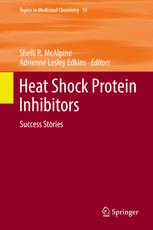
Cancer cells exist in a state of absolute, constant chaos. They grow too fast, they lack oxygen, and their mutated DNA constantly produces malformed, unstable proteins. A normal cell would instantly die under this level of internal stress. A cancer cell survives because it aggressively hijacks a specific family of cellular mechanics known as molecular chaperones. Heat Shock Protein Inhibitors is a definitive, highly advanced scientific textbook detailing the pharmaceutical industry’s war against this survival mechanism. For oncology researchers, medicinal chemists, and molecular biologists, this volume provides the critical blueprints for designing drugs that selectively dismantle the cancer cell’s most vital defense system.
The Chaperone Machinery of Cancer Cells
The opening chapters of this book provide a rigorous deconstruction of protein folding. When a cell experiences severe stress (like the heat of a fever, or the toxic attack of chemotherapy), its internal proteins begin to unfold and clump together. The authors detail how Heat Shock Proteins (specifically Hsp90 and Hsp70) act as microscopic chaperones. They physically grab these unfolding proteins, refold them into the correct shape, and keep the cell alive. Cancer cells become completely addicted to Hsp90 to stabilize the thousands of mutated, aggressive proteins (oncoproteins) driving their endless growth.
Hsp90 Inhibitors: Halting Tumor Growth at the Source
The core of the textbook provides a masterclass in targeted oncology. If Hsp90 is the chaperone keeping the cancer’s army of mutant proteins alive, then inhibiting Hsp90 causes that entire army to collapse simultaneously. Readers will explore the complex medicinal chemistry behind the first generation of Hsp90 inhibitors (like Geldanamycin derivatives) and the highly advanced, fully synthetic second-generation inhibitors designed to bind directly to the ATP pocket of the Hsp90 enzyme, permanently shutting it down.
The Complex Biochemistry of Protein Folding
This is a fiercely technical textbook. It moves past basic concepts to detail the massive, multi-protein complexes required for Hsp90 function. The authors explain how Hsp90 does not work alone, but requires a complex network of co-chaperones (like Cdc37 and Aha1) to successfully fold a protein. It explores cutting-edge pharmacological strategies designed to break the physical connection between Hsp90 and these specific co-chaperones, offering a highly precise method of killing the cancer cell with vastly lower systemic toxicity.
Overcoming Resistance to Classic Chemotherapy
One of the most terrifying realities of oncology is drug resistance. A tumor will often shrink initially, only to mutate and come back immune to the chemotherapy. The book explores how cancer cells use Heat Shock Proteins to rapidly adapt to and survive chemotherapy. By combining a classic chemotherapy drug with an Hsp90 inhibitor, clinicians can forcefully strip the cancer cell of its primary survival mechanism, rapidly restoring its sensitivity to the drugs.
Developing Hsp70 and Novel Chaperone Therapeutics
The final chapters explore the frontier beyond Hsp90. Because cancer cells are incredibly adaptive, when Hsp90 is blocked, they simply produce massive amounts of Hsp70 to take its place. The authors detail the incredibly complex, highly challenging race to invent dual Hsp90/Hsp70 inhibitors, a pharmaceutical breakthrough that would corner the cancer cell and guarantee its destruction.
Frequently Asked Questions (FAQs)
Are these drugs currently FDA approved?
The book frankly discusses the massive clinical challenges Hsp90 inhibitors have faced in Phase III trials (specifically liver toxicity and severe eye problems), focusing heavily on how next-generation chemistry is solving these issues.
Is a background in molecular biology required?
Absolutely. This is an advanced text requiring a profound understanding of protein biochemistry, ATP hydrolysis, and cellular apoptosis pathways.
Who is the primary audience?
It is essential reading for Ph.D. oncology researchers, industrial medicinal chemists, and academic scientists focused on targeted cancer therapies.
Conclusion
Heat Shock Protein Inhibitors proves that the most effective way to kill a cancer cell is to exploit its greatest vulnerability: its own internal chaos. By mastering the complex biochemistry of molecular chaperones and the advanced synthetic chemistry detailed in this volume, scientists can design the next generation of highly targeted, fundamentally disruptive cancer therapies, stripping tumors of their primary survival mechanism and ensuring their absolute destruction.