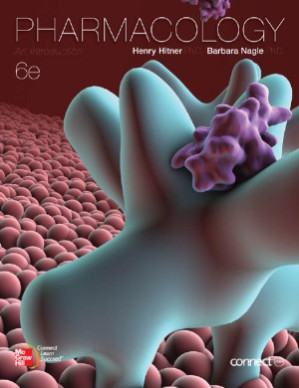
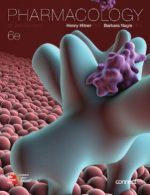
The Foundational Primer: Pharmacology: An Introduction (6th Edition)
For many students entering the allied health professions, their first encounter with pharmacology is a terrifying collision with advanced biochemistry and complex medical terminology. Pharmacology: An Introduction (6th Edition) is the definitive, highly accessible manual designed to completely destroy this fear. For nursing students, medical assistants, and allied health professionals, this volume strips away the intimidating academic bloat, providing a clear, logical, and highly structured blueprint to mastering the fundamental concepts of drug therapy.
Demystifying Complex Medical Chemistry
The core philosophy of this textbook is approachability. The authors understand that terrifying students with advanced organic chemistry is counterproductive. The text aggressively breaks down massive physiological concepts into clear, highly readable, and easily digestible chapters. It focuses entirely on building a rock-solid, basic foundation, ensuring the student truly understands how a drug works before moving to complex patient care.
Clear, Logical Drug Classifications
This is a fiercely organized learning tool. The book groups hundreds of confusing drugs into highly logical, easy-to-memorize classes based on body systems (e.g., Respiratory System Drugs, Cardiovascular System Drugs). The authors provide brilliant, simplified diagrams detailing the basic “Mechanism of Action,” teaching the student exactly what the drug does without overwhelming them with unnecessary cellular physics.
Understanding Mechanisms of Action Without the Bloat
The book bridges the gap between basic anatomy and clinical application. Before introducing a new drug class, the text provides a highly visual crash-course on the underlying physiology of that body system. This ensures the student understands why a beta-blocker lowers blood pressure by understanding how the heart actually pumps, cementing the knowledge permanently.
Focus on Patient Safety and Medication Errors
The book pushes deeply into the healthcare professional’s primary role: patient safety. The authors relentlessly reinforce the critical safety checks required before administering any drug. They explore the terrifying reality of medication errors, teaching the student how to navigate confusing, similar-sounding drug names, and how to identify severe adverse reactions before they become fatal.
The Perfect Stepping Stone to Advanced Therapeutics
The final value of this textbook is its role as a foundational primer. By stripping away the extreme complexities of pharmacokinetics and focusing on the core classifications and safety protocols, the book provides the perfect psychological and scientific stepping stone, preparing the student to eventually tackle much denser, advanced therapeutics courses later in their career.
Frequently Asked Questions (FAQs)
Is this book advanced enough for a medical school (MD/DO) program?
No. Medical students require massively detailed textbooks (like Katzung or Golan) that cover complex receptor pharmacodynamics and advanced clinical algorithms. This is an introductory primer.
Does it cover dosage calculations and clinical math?
While it touches on basic principles of administration, students typically require a dedicated “medical math” workbook for rigorous dosage calculation practice.
Who is the primary audience?
It is the absolute, mandatory textbook for pre-nursing prep courses, LPN/LVN students, Medical Assistants, and allied health professionals seeking a clear, foundational understanding of pharmacology.
Conclusion
Pharmacology: An Introduction proves that medical science does not have to be terrifying. It is an indispensable guide to building clinical confidence. By utilizing the clear drug classifications, the simplified mechanisms of action, and the rigorous safety protocols detailed in this volume, students can overcome their anxiety and build a rock-solid foundation for a successful career in healthcare.